6 UGC Platforms That Pay Creators in 2026
 Natalie Brooks · July 18, 2026 · 7 min read
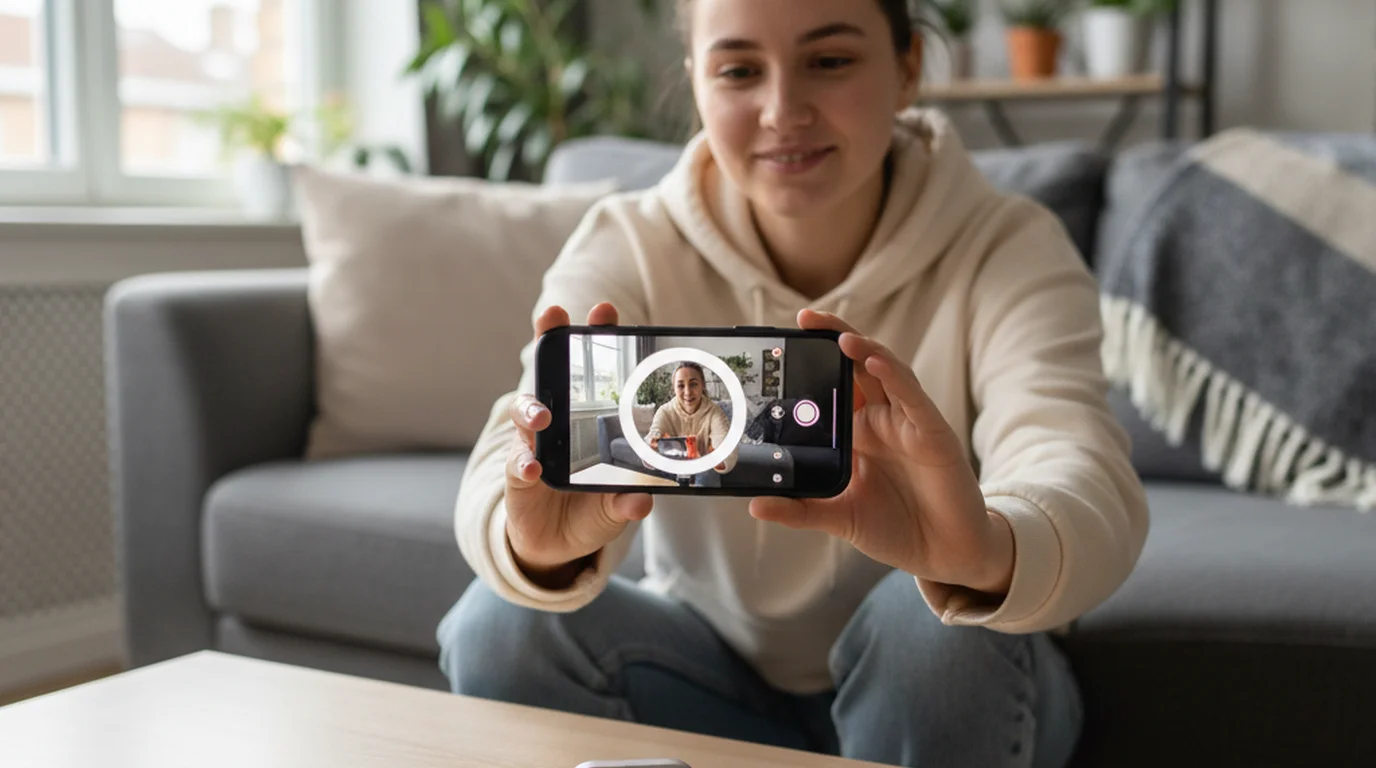
UGC — user-generated content created for brands to use in their advertising — has become one of the most accessible income streams for video creators in 2026. You don't need a large social following. You need a smartphone, basic lighting, and the ability to deliver a clear, natural video review or demonstration on camera. This guide covers the six platforms where brands actively pay creators for this work, what each pays, and the one tool that most successful UGC creators use to improve submission quality and reduce retakes.
The major UGC platforms that pay creators in 2026 are Billo, Trend.io, Minisocial, JoinBrands, Insense, and direct brand outreach. Rates range from $50-$150 per video on entry-level platforms to $300-$600+ for experienced creators with strong portfolios. No follower count is required — brands pay for content production, not audience reach.
According to a 2025 analysis by the UGC research firm Stackla (now part of Nosto), UGC-style video ads outperform professionally produced brand creative in conversion rate by an average of 29% on Meta platforms and 41% on TikTok. The same research found that brands allocating more than 40% of their paid social ad budget to UGC content reported a 22% lower cost per acquisition compared to brands running primarily polished brand creative. These results explain why brand demand for UGC creators has grown faster than creator supply in every niche category tracked since 2023.
1. Billo — best for beginners
Billo is the most beginner-accessible UGC platform available. The creator application requires a short video sample, a basic profile, and a phone number — no minimum follower count, no portfolio requirement. Once approved, creators browse available brand briefs, apply, and receive the product for free by mail before filming.
What it pays: $50-$150 per video, depending on usage rights and video length. Most briefs are 30-60 seconds. Payment is released within 7 days of brand approval.
Who it's for: New creators building their first UGC portfolio, creators who want a structured brief with clear deliverables, and anyone testing UGC as an income stream before investing in a more competitive platform.
How to stand out: Billo's approval rate for creator applications is relatively high, which means the competitive differentiation is in the video itself. Creators who use a teleprompter to deliver their product review scripts without hesitation or filler words — maintaining direct camera eye contact throughout — consistently receive higher brand approval rates and repeat brief invitations than creators who improvise their delivery and require multiple takes.
2. Trend.io — best for experienced creators
Trend.io operates on an invite-based model with a more selective creator application process than Billo. The platform focuses on creators who have a defined aesthetic and demonstrated video production quality — not necessarily a large following, but a clear visual style and consistent output.
What it pays: $200-$500 per video for standard usage rights, higher for exclusivity or multi-platform rights packages. Trend.io also offers performance bonuses on briefs tied to ad performance metrics.
Who it's for: Creators with 6+ months of UGC experience and a strong sample portfolio. Brands on Trend.io include larger DTC companies and funded startups with significant paid social budgets.
How to stand out: Trend.io brands look for "native" video quality — content that feels like something a real consumer would post, not a polished advertisement. The paradox is that achieving natural-feeling delivery is harder than it looks when you're reading from a brief. Using a teleprompter for UGC videos lets you deliver the required talking points with natural pacing and eye contact without the "reading from notes" tell that brands reject.
3. Minisocial — best for micro-creators
Minisocial focuses on micro-creator UGC — creators with authentic social presence in specific niches (wellness, parenting, fitness, food) even at smaller follower counts (1,000-10,000). The platform bridges UGC content creation with organic social posting: creators film and post the content to their own accounts, which brands then use in their paid campaigns.
What it pays: $80-$200 per video plus product, with rates scaling based on follower count and engagement rate. Minisocial's payment model includes a base rate for the content plus a bonus for posting rights to the creator's social account.
Who it's for: Creators with a genuine social following in a specific niche, even at small scale. The niche specificity matters more than raw follower count — a 3,000-follower skincare account with 8% engagement is more valuable to a skincare brand than a 50,000-follower general lifestyle account with 1% engagement.
How to stand out: Minisocial briefs require content that sounds completely natural — not scripted, not promotional. This is where a teleprompter creates the biggest delivery advantage: scripting your talking points in advance and reading them with full eye contact produces "natural-sounding" delivery far more reliably than improvising under the pressure of a recording session.
4. JoinBrands — best rates for beginners
JoinBrands operates similarly to Billo — a marketplace where brands post briefs and creators apply — but with generally higher base rates and a faster approval cycle. The platform has grown significantly since 2024 and now handles briefs across Amazon brands, Shopify DTC companies, and app companies.
What it pays: $75-$200 per video for standard UGC, higher for video ad creation with usage rights packages. Amazon-specific "Creator Connections" briefs on JoinBrands often pay $100-$300 per video with a product included.
Who it's for: Beginners who found Billo's rates limiting, creators who want more Amazon-specific brand briefs, and creators building toward higher-tier platforms while earning at beginner rates.
How to stand out: JoinBrands brands frequently request "before and after" and "problem/solution" video structures. Scripting these formats and delivering them from a teleprompter — so the setup, conflict, and resolution land clearly without the hesitation that comes from improvising structured formats — consistently produces better approval rates than unscripted attempts at the same structure.
5. Insense — best for volume and agency brands
Insense is a creator marketplace that operates more like a professional agency platform than a consumer-facing creator tool. Brands on Insense are typically running professional paid social campaigns with dedicated creative teams, which means brief quality is higher, expectations are more specific, and approval processes are more detailed than on beginner platforms.
What it pays: $150-$600+ per video depending on usage rights, exclusivity, and content type. Insense also handles licensing packages, meaning a single video can generate additional revenue if the brand extends usage beyond the initial term.
Who it's for: Experienced UGC creators with a portfolio of 10+ approved videos across other platforms, creators who want to work with larger brand clients, and creators building UGC creation as a primary income stream rather than a side project.
How to stand out: Insense brands often provide detailed creative briefs with specific hooks, talking points, and call-to-action scripts. Using the iPhone teleprompter app to read these briefs during recording ensures all required talking points are covered in the correct order without mid-video memory lapses that require retakes. For creators submitting to multiple Insense briefs simultaneously, a teleprompter workflow reduces total recording time significantly — one take per brief rather than four or five.
6. Direct Brand Outreach — highest rates, most effort
The highest-paying UGC work comes from direct relationships with brands — bypassing marketplace platforms entirely and negotiating contracts directly with brand marketing teams or paid social agencies. This approach removes platform fees (which can be 20-30% of the creator's payment on marketplace platforms) and allows for longer-term retainer arrangements.
What it pays: $300-$1,000+ per video for creators with strong portfolios, depending on usage rights and exclusivity. Monthly retainers of $1,500-$5,000 for creators producing 5-10 videos per month for a single brand are not uncommon among experienced UGC professionals.
Who it's for: Creators with 20+ approved UGC videos in a specific niche, a clear rate card, and the ability to manage their own client relationships. This is a freelance business model, not a platform model — it requires invoicing, contracts, and self-managed revisions.
How to stand out: Direct brand clients often have the most specific creative briefs and the least tolerance for retakes. A polished submission from the first recording session — using a free online teleprompter to read the brief's talking points with natural eye contact — signals professionalism that marketplace-sourced creators often don't bring. Combined with good lighting and clean audio, first-take scripted delivery is the fastest path to repeat direct brand work. See the full content creation tools guide for the complete production setup used by professional UGC creators.
How a Teleprompter Improves UGC Submission Quality
The most common reason UGC brands reject creator submissions is delivery quality — not lighting, not camera quality, not editing. Delivery issues include: looking off-camera to read notes, hesitating mid-sentence while trying to recall talking points, losing the brand's required structure, and filler words ("um," "like," "you know") that require extensive editing or a full retake.
Internal data shared by UGC platform Billo at a 2025 creator marketing conference found that creators using scripted, teleprompter-assisted delivery had a brand approval rate of 84% on first submission, compared to 61% for creators using improvised or note-glancing delivery. The same data showed that teleprompter-assisted creators required an average of 1.3 takes per video, compared to 3.7 takes for non-scripted creators — a reduction in recording time of over 60% per video submitted.
A teleprompter addresses all of these problems simultaneously. You script the talking points from the brand brief in advance, load the script into the teleprompter, and deliver directly to the camera while reading. Eye contact stays on the lens throughout. Hesitation disappears because the words are in front of you. The brand's required structure — hook, product feature, call to action — stays in the correct order because it's written out. And because you're reading rather than improvising, filler words essentially disappear from the recording.
For UGC creators specifically, the iPhone teleprompter app is the most practical setup: the script scrolls on the iPhone screen, and the phone's camera records simultaneously. No second device required. Alternatively, the free online teleprompter runs on any laptop or tablet positioned near your recording camera. Both are free. The time saved on retakes across a month of UGC work pays back far more than any equipment upgrade at the same cost.
Frequently Asked Questions
What are the UGC platforms?
UGC platforms are marketplaces connecting brands with creators who produce short-form video content — reviews, testimonials, demonstrations — that brands use in paid advertising. The major platforms in 2026 are Billo, Trend.io, Minisocial, JoinBrands, and Insense. Creators don't need a large following — UGC work pays for content production, not audience reach. Rates range from $50 to $600+ per video depending on platform, experience, and usage rights.
What is the best UGC platform for beginners?
Billo is generally the best UGC platform for beginners — the application requires only a video sample and basic profile, no minimum follower count or portfolio. JoinBrands is also beginner-friendly with slightly higher average rates. Both platforms send products to creators for free before filming and handle all brand communication and payment processing. Starting on Billo or JoinBrands lets you build a portfolio before applying to higher-rate platforms like Trend.io or Insense.
Is UGC a legit way to make money?
Yes — UGC creation is a legitimate and growing income stream. Rates range from $50-$150 per video on entry-level platforms to $200-$600+ for experienced creators. Experienced creators producing 15-20 videos per month earn $1,500-$5,000 per month from UGC. It's not passive income — each video requires filming, scripting, and editing — but it doesn't require a large social audience, which makes it more accessible than influencer marketing. First-submission approval rates and repeat brand work both improve significantly with a consistent scripted delivery workflow.
What companies pay for UGC?
The companies that pay most frequently for UGC are direct-to-consumer e-commerce brands, subscription box companies, app companies, and consumer packaged goods brands running Meta and TikTok ad campaigns. High-demand categories in 2026 include skincare and beauty, fitness supplements, pet products, kitchen gadgets, and SaaS tools. These brands buy UGC because it outperforms polished brand advertising in conversion rate — authentic creator-style videos generate higher click-through and purchase rates at equivalent ad spend.
Complete guide: The Solo Content Creator's Complete Guide (2026) — scripting, delivery, camera setup, platform strategy, and the free tools every solo creator needs.
Natalie BrooksNatalie Brooks is a video producer who works as a one-person crew for independent creators, corporate teams, and online educators. She writes about home studio setups, creator gear, and the production decisions that never come up in sponsored unboxings.
Reduce retakes and improve UGC approval rates
Script your brief talking points and read them from the free online teleprompter during your next UGC recording. First-take submissions with natural eye contact consistently get higher brand approval rates.
Use Free Online Teleprompter Get the Free App